Many carpets are years old, familiar reminders that are cozy and filled with memory. But, the accumulation of layers of dust, drive and dirt over time have dulled its appearance and comfort. At this point, a homeowner may pause to consider if they should try to revive a carpet with cleaning or replace it. A couple of decades of silently absorbing spills, collecting dirt and gathering pet danders will leave behind bacteria, allergens and oils. So, it’s natural to wonder if professional carpet cleaning can revive an older carpet. In this brief guide, we will explore how carpets age, the pros and cons of various cleaning methods and the main factors that may influence your final decision.
Understanding How Carpets Age Over 20 Years
Most modern carpets are designed to last 10-15 years, but in lower-traffic homes, they can push beyond that range. In high-traffic areas, like: hallways, stairs and living rooms, they tend to age faster because the carpet fibers are flattened by the more frequent foot pressures. The lifespan is also dependent on the type of material, wool and nylon are more enduring than olefin or polyester. The carpet may endure for longer due to regular maintenance and cleaning.
A Scientific Explanation:
The major role in carpet aging is dirt as the tiny particles of soil are abrasive. With each step on the carpet, these particles are ground into the fibers causing mechanical abrasion. Gradually, this wears the material causing damage deep in the pile.
At the same time, bacteria, allergens and dust mites will thrive in the humid and warm micro-environment. They multiply and shed and this will contribute to poor indoor air quality (IAQ) in the home.
After 20 years of loyal service, the aging of the carpet will lead to four common out comes:
- Deep grime that regular vacuuming cannot reach.
- Odor absorbed into porous carpet fibers.
- Compression and matting which reduces softness, comfort and insulation.
- Stains from protein-based foods and/or greasy residues.
The aging process of your carpet can broken into three stages:
- The accumulation of dirt due to daily foot traffic.
- Carpet fiber compression in high-traffic areas leading to flattened paths.
- The deep embedding of contaminants that are resistant to basic cleaning methods.
When an aging carpet is clogged with dirt it won’t look or feel its best. Cleaning professionals have noted that even after 20 years, many carpets can be dramatically improved with cleaning. But, any irreversible damages, such as: UV-related color fading, frayed edges and degraded backing, will limit the effectiveness of cleaning.
Benefits of Cleaning a 20-Year-Old Carpet
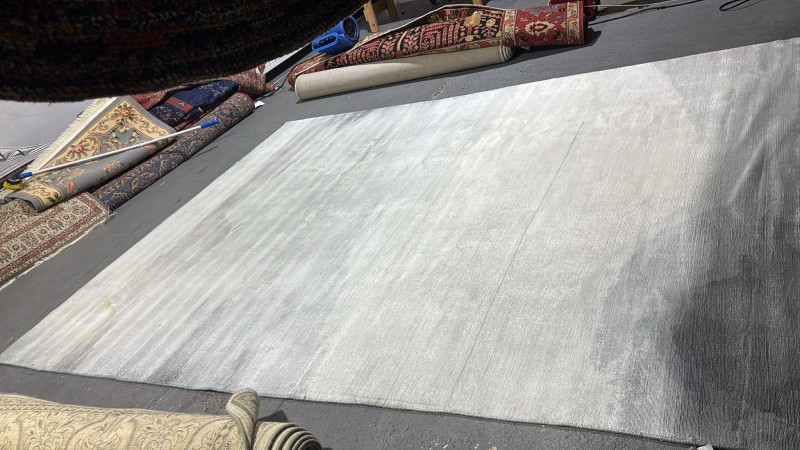
A huge benefit of cleaning an older carpet is that the usable lifespan may be further extended. When the abrasive dirt is removed the compressed fibers are revived and this is how cleaning slows further wear and tear on the carpet. Many people are genuinely surprised when they see and feel how much brighter and softer their carpets look after professional cleaning.
Deep carpet cleaning is especially effective at removing dirt, allergens and stubborn residues. The removal of these contaminants will promote a healthier IAQ which asthma and allergy sufferers will notice first. From an environmental standpoint, when older carpets are cleaned the immediate need for a replacement reduces waste.
Cleaning is effective because modern cleaning processes penetrate deeply into the carpet fibers. Then they break apart the molecular bonds that have formed between the dirt and fibers. There are surfactants in the cleaning solutions that lower the surface tension to loosen the trapped soils and oils for extraction. During the process, volatile organic compounds (VOCs) are also removed from the carpet.
Key Benefits:
The four key benefits of carpet cleaning, are:
- Aesthetics improvements that bring warmth and texture back into your home.
- The reduction of allergens, like: dust mites, bacteria, pollen and pet dander.
- A carpet revival is cheaper than a replacement.
- It’s an eco-friendly solution that keeps materials out of landfills for longer.
The takeaway is that carpet cleaning can remove years of dirt and grime to reveal the vibrancy that’s hidden underneath. There are limitations, permanent stains like paint spills or bleach marks may not come out. If there are fragile fibers can frayed more if they are not handled with care during the cleaning process.
Comparing Cleaning vs. Replacement for Old Carpets
The main deciding factor is typically the cost. With professional carpet cleaning the cost is much lower than a replacement and the usable lifespan may be extended by several years. But, replacement will be necessary if the damage to the carpet is extensive and cleaning is less viable. The benefits of cleaning are the improved hygiene and revitalized appearance and high-quality materials like nylon or wool respond well.
The main risk is that already weakened fibers can be exposed and cleaning may only temporarily improve the worst matted areas. When there are significant structural issues, such as: large rips, persistent mold, crumbling backing and severe fraying, replacement is the better option. In these cases the professional cleaning cannot resolve those underlying issues and the risks will outweigh any potential benefits.
Aspect | Cleaning | Replacement |
| Cost | Low (affordable refresh) | High (long-term investment) |
| Effectiveness | Good for minor wear; removes dirt/allergens | Complete fix for damage |
| Time/Effort | Moderate | High |
| Health Impact | Improves air quality short-term | Eliminates old contaminants permanently |
Step-by-Step Guide to Cleaning a 20-Year-Old Carpet
Effective carpet cleaning is a carefully executed five-step process and this is especially important for older carpets:
- First the carpet is thoroughly vacuumed to remove the loose soil.
- A residue-free cleaning solution is used to prevent faster re-soiling.
- A pre-spray treatment is applied to loosen deeply embedded grime and oils.
- The carpet is rinsed and the suspended dirt is extracted with a machine.
- Rapid drying prevents mold and mildew growth.
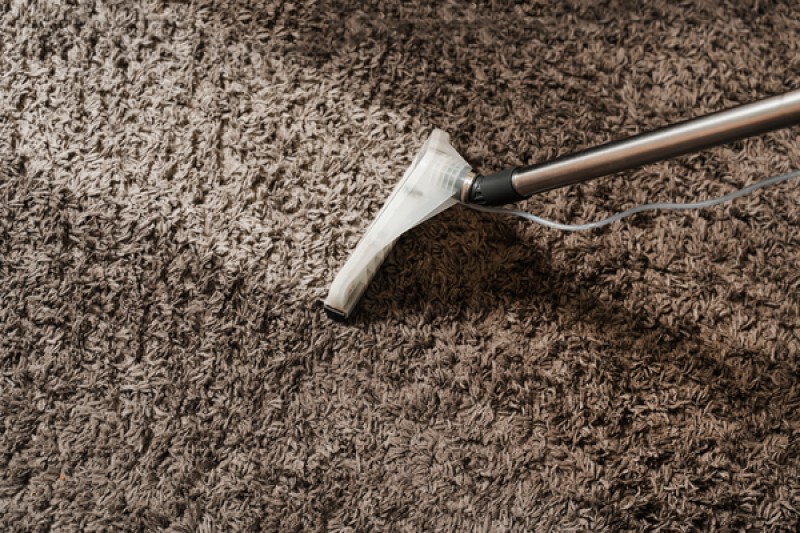
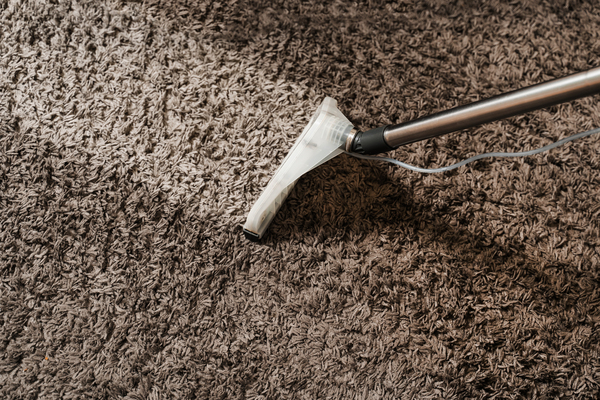
In practice, the vacuuming removes the dry particulates, the pre-treatment solution will emulsify the oil using a chemical reaction that takes 10-15 minutes. A hot water extraction (steam cleaning) approach is highly effective, but it must be done carefully to prevent over-wetting on fragile carpets. With a dry cleaning approach minimal moisture is introduced and this may be the better option for carpets with worn fibers.
Cleaning experts recommend slower extraction passes and post-clean grooming to lift the carpet fibers. This can help with drying, it’s like fluffing a bathroom towel so that the air can circulate around it. This cleaning approach works, but if steps are skipped, it will be less effective and the final results may be disappointing.
Professional vs. DIY Cleaning Approaches
A DIY carpet cleaner is useful for light maintenance, but it lacks the power of professional-grade cleaning equipment. There’s often excess moisture and residue left behind that both attract fresh dirt for faster re-soiling.
With professional cleaning, there’s an expert assessment, improved extraction and fiber-specific solutions that can be applied. A cleaning professional can also employ more advanced methods like encapsulation which can bind to the dirt to make removal easier. To deal with decades of compacted soil, bad odors and set-in stains, professional cleaning is usually the safest and more effective choice.
Factors to Consider Before Deciding to Clean
There are five factors to consider prior to cleaning:
- Overall condition: Fraying, thinning and strong odors.
- Padding integrity: If the padding has deteriorated the cleaning success may be limited.
- Stain types: Any protein or grease stains may require specific treatments.
- Health risks: The presence of severe allergens and mold issues may degrade the cleaning effectiveness.
- Financial or sentimental value: A carpet that holds special significance may sway your decision-making process.
The presence of mold growth, fungal spores or moisture is a red flag and cleaning a carpet infested with mold can make health issues worse. Sometimes it’s simply time to move on and invest in a new carpet.
Conclusion
In many cases, if an older carpet is structurally sound it is worth cleaning to remove the contaminants, revive the fibers, improve the IAQ and enhance the aesthetic qualities. If you have a carpet made with high-quality materials, it will usually respond better to cleaning.
Aging carpets with severe fraying, permanent damage and mold growth should be replaced for safety and long-term value. To evaluate your carpet, conduct a simple inspection, vacuum the high-traffic areas, spot-test stains in obscure areas and consider hiring a professional carpet cleaner for a thorough assessment.