Imagine a scenario; you have friends over, the wine and conversation is flowing and then a glass of red wine tips onto the carpet. This is when many of us panic, do we blot it with cold water to prevent the stain from setting? Do we reach for hot water in the hope that it will clean up the mess more efficiently? Some homeowners believe that cold water is the safest option because heat may “lock” the stain into the fibers. Others think that boiling water to create steam is the ultimate carpet cleaning fix. Like many debates the real truth is somewhere in the middle and it’s backed by science.
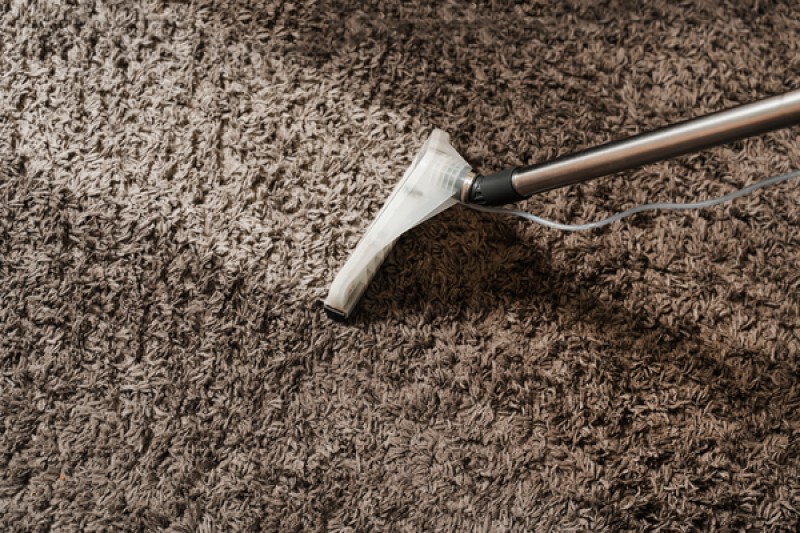
It is true that hot water can clean a carpet better than cold water when it’s used correctly. This is especially true if a method known as hot water extraction is used. This is the application of controlled heat to deeply penetrate the carpet fibers to efficiently dissolve oils and soils—a method used in professional carpet cleaning services. This can sanitize the carpet without causing damage to the carpet fibers.
In this article, we will explore why the water temperature is so important in carpet cleaning. We’ll compare the hot and cold water methods and to help you understand the benefits and risks. We will take a look at the difference between true steam cleaning and hot water extraction to ensure that you get the best clearing results and mitigate the risk of damage.
Understanding Carpet Soils and Why Temperature Matters
To fully understand why hot water may work better, it’s useful to understand what is trapped in your carpet fibers. The carpet soils fall into three broad categories:
- Dry Particulates: These are dust, hair, pollen and allergens.
- Oil Residues: These are cooking vapors, lotions, pet oils and skin contact.
- Water-Based: This is spills, mud and tracked-in moisture.
The soiling does not sit on the surface of the carpet fibers; they gradually bind to them through adhesions and eventually, they are deeply embedded in the carpet pile. For carpet cleaning to be effective, there are three fundamental steps to take:
- Loosen the Soil Bonds: Using agitation and solvent action.
- Dissolving or Suspending: So they can’t be removed.
- Extracting: The loosened dirt and moisture is pulled from the carpet fibers.
The water temperature plays a crucial role in the first two steps of this process. This is like washing greasy dishes, the cold water can remove food debris, but the oily residue remains on the surfaces. But, with hot water you can cut through the grease and the soap can clean and rinse.
A carpet is similar. Cleaning professionals have stated that higher water temperatures will break down oily dirt and stubborn stains more effectively than cold or room temperature water alone.
The Science: How Hot Water Improves Cleaning Effectiveness
Hot water is more effective and efficient for cleaning and this is backed with science:
Thermodynamics and Soil Detachment
The application of heat increases molecular kinetic energy. When the water temperature rises, the molecules move faster and this weakens the adhesive forces that bind the dirt and oils to the carpet fibers.
Higher temperature → faster molecular movement → easier soil detachment
When you understand this, it’s easier to understand why carpet soil seems to be stuck in place under cold water and then they are released when hot water is applied.
Enhanced Cleaning Chemistry
Hot water is an accelerant for chemical reactions. Detergents and surfactants dissolve faster in warm or hot water and they react faster with grime and oils. The surfactants will penetrate oily residues more effectively, break them into droplets and then they can be rinsed away.
Reduced Surface Tension
When water heats up, the surface tension is decreased. This allows the water to spread and penetrate the carpet fibers rather than beading on the surface. This leads to deeper wetting where the hot water can reach the soil trapped at the base of the carpet pile. This is where cold water cleaning fails, it simply can’t penetrate to the same depth.
Sanitization Benefits
If the water temperature is in the 140-200ºF range, it can kill bacteria, dust mites and microorganisms and significantly reduce allergens. This thermal kill step is not possible with cold water and the microbes will be mostly intact after cleaning.
The takeaway is that hot water extraction can restore brightness, revive flat fibers, remove deep grime and leave your carpets feeling fresher.
Hot Water Extraction vs. Cold Water Cleaning: A Direct Comparison
Hot water extraction and cold water cleaning differ in their processes and results.
Soil Loosening
Hot water weakens the bonds between soil and fibers, cold water is entirely reliant on chemicals for cleaning which limits the effectiveness on oily residues.
Depth of Penetration
The surface tension reduction ensures that the hot water can penetrate deeply and this is why cold water only cleans the upper portion of the carpet pile.
Residue Removal
A hot water extraction will thoroughly flush the carpet fibers to remove the loosened dirt with suction. But, cold water methods, like spot cleaning or shampooing may leave the soil and soap behind. This may even attract more dirt later after the carpet has dried.
Sanitization
Sufficiently hot water can sanitize bacteria, allergens and microorganisms. Cleaning with cold water offers virtually no reduction in microbial populations in carpet fibers.
Drying and Risks
A professional hot water extraction system will dry quickly due the powerful suction stage, but with poor technique overwetting is a risk. With cold water cleaning, the drying process is slower, the residue may remain and this can increase the mold risk.
The takeaway is that cold water can be effective for certain protein-based stains and delicate fibers. But, when it comes to standard carpet and rug cleaning it can't match the effectiveness of hot water extraction cleaning.
Hot Water Extraction vs. True Steam Cleaning
Steam cleaning is a misunderstood term. Some companies that advertise this service are really offering hot water extraction. True steam cleaning uses vaporized water “steam” over 212ºF and hot water extraction uses liquid heated water in the 140-200ºF range in combination with a strong vacuum extraction and a cleaning solution.
True steam cleaning excels in surface sanitization, but there are limitations. The exposure to very high heat may denature proteins which could set certain stains like food spills and blood. Think of this as “cooking” the food into the carpet fibers. With steam cleaning, the flushing action is lacking which is needed to remove heavily embedded dirt.
With hot water extraction, there’s a more balanced cleaning approach. There’s sufficient heat to dissolve the soils and sanitize the fibers. The hot water is in a liquid form so the soil can be suspended and extracted. This is why industry experts and carpet manufacturers recommend hot water extraction as their preferred deep-cleaning process (see also our detailed comparison of hot water extraction, steam cleaning, and rug shampooing).
Hot Water Extraction vs. Low-Moisture Alternatives
Encapsulation and other low-moisture alternatives have gained popularity in commercial cleaning applications. In encapsulation, specialized detergents crystallize around the dirt particles during drying and when dry they are vacuumed away. This used very little water and the carpet typically dries within 30 minutes. This is primarily a maintenance method, the surface is cleaned, but the deep cleaning and sanitization of hot water extraction is missing. Carpets that are heavily soiled, embedded with grime and filled with allergens will respond better to hot water extraction.
The takeaway is that hot water extraction is the better option for deep clearing. Then low moisture alternatives can be used for interim cleaning maintenance.
Benefits and Risks of Hot Water Carpet Cleaning
Benefits
- Deeper dirt, oil, bacteria and allergen removal.
- Long lasting cleanliness.
- Improved indoor air quality, as recognized by environmental health experts.
- Carpet appearance and softness restoration.
- The carpet lifespan is extended.
Risks and Limitations
- Not a great fit for all carpet fibers.
- Overwetting can cause mold or odors if there’s inadequate extraction.
- The drying times are longer than dry cleaning methods.
With professional truck-mounted systems that have greater suction and good technique these risks and limitations are mitigated. This will speed up the drying times and reduce the volume of moisture in the carpet fibers.
Conclusion
Hot water cleaning is superior with enhanced soil loosening, deeper penetration, effective extraction and rapid chemical action. The heat improves the cleaning results without the steam risks that are often associated with the process. This is true if the proper hot water extraction techniques are applied to the carpet. For most carpets, hot water cleaning will deliver the deepest clean, long-lasting freshness and a healthier indoor environment.
Action steps for homeowners:
- Vacuum thoroughly before cleaning to speed up the drying process.
- Schedule professional annual hot water extraction.
- Test the hot vs cold cleaning approach on inconspicuous and small areas.
- Use the low-moisture cleaning methods between the deeper cleans for maintenance.
With the right approach and technique, hot water is still the gold standard for carpet care.